
Quick Answer: Artificial intelligence transportation applications fall into four distinct categories: government infrastructure monitoring, enterprise logistics forecasting, telecom network maintenance, and compliance-ready decision systems. Each uses different tools, predictive analytics, computer vision, automation, applied to different operational problems, not one universal AI product.
Artificial intelligence transportation is not a single product category. It is a set of distinct applications, predictive analytics, computer vision, intelligent automation, and decision engines, each solving a different operational problem across government agencies, enterprises, and infrastructure operators.
What Is Artificial Intelligence in Transportation?
Artificial intelligence transportation refers to software systems that use machine learning, predictive analytics, and automation to support decisions across roads, rail, logistics networks, and infrastructure assets. It is not one platform bought off a shelf. It is a collection of capabilities applied to specific problems: forecasting traffic or demand, monitoring asset condition, automating routing, and flagging anomalies before they become failures.
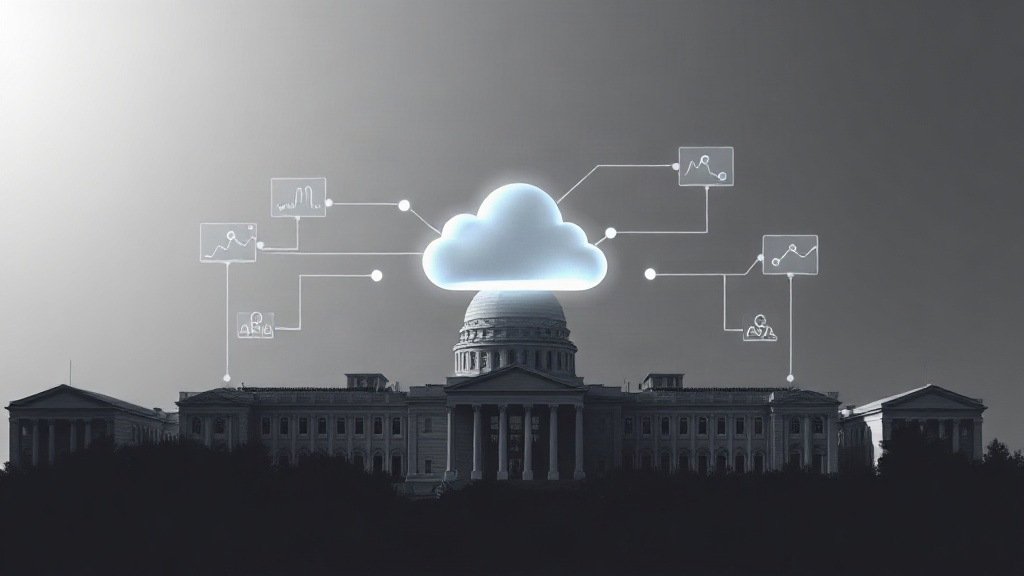
The sector map that matters for buyers looks like this: government departments and infrastructure authorities use AI for monitoring and decision support; regulated enterprises use it for logistics forecasting and automation; telecom and infrastructure operators use it for network health and predictive maintenance. We will go over all of them in detail.
How AI Is Used in Transportation and Infrastructure Today
AI in transportation today is layered onto existing control systems rather than replacing them outright. Most deployments start with data monitoring and move toward automation only after the monitoring layer proves reliable.
Government and Infrastructure Authority Use Cases
Government departments and infrastructure authorities typically begin with data monitoring and decision-support tools before expanding into automation. A state transportation department, for example, might use predictive analytics to flag deteriorating bridge sensors, then route that data to an engineer for review rather than triggering an automatic closure. This staged approach matters because infrastructure decisions carry safety and liability consequences that pure automation cannot absorb alone.
Regulated Industry and Enterprise Use Cases
Regulated enterprises, including fintech, healthcare, and legal organizations that depend on transportation and logistics networks, apply AI to forecasting and risk flagging rather than physical operations. A healthcare logistics team moving temperature-sensitive shipments, for instance, might use predictive analytics to flag a delay risk before a shipment leaves the warehouse. These use cases sit closer to decision support than to control systems.
Where AI and Transportation Intersect: Core Use Cases
AI and transportation intersect most directly in two places: predictive analytics for managing physical assets, and perception tools like computer vision for monitoring what is happening on the ground.
Predictive Analytics for Traffic/asset Management
Predictive analytics applied to traffic and asset management forecasts wear, congestion, and failure points before they occur. An infrastructure authority might use this to prioritize which culverts or signal controllers get inspected first, based on predicted failure likelihood rather than a fixed maintenance calendar.
NLP, Computer Vision, and Automated Monitoring
Computer vision and NLP tools automate monitoring tasks that previously required manual review, such as reading inspection reports or flagging visual defects in video feeds. A transit authority could use computer vision to detect obstructions on rail lines and NLP to parse maintenance logs for recurring fault language.
Did You Know?: Research on supply chain disruption modeling, published in the International Journal of Production Economics, has examined how predictive models forecast ripple effects of a single delay across a logistics network.
AI in Supply Chain and Logistics for Large Enterprises
Large enterprises use AI in supply chain and logistics for three distinct functions: demand forecasting, routing automation, and disruption detection. These functions typically layer onto existing ERP and logistics platforms rather than replacing them.
- Predictive analytics for demand and delay forecasting, used to anticipate shortages before they hit the floor
- Intelligent automation of routing and scheduling, reducing manual dispatch adjustments
- AI-powered decision engines that flag disruptions, such as a port delay or weather event, before they cascade through downstream orders
A manufacturer with multiple distribution centers, for example, might use a decision engine to automatically reroute a shipment when a predictive model flags a port congestion risk two days out, rather than waiting for the delay to appear in tracking data.
Reality Check: None of these systems function as standalone replacements for existing logistics platforms. They sit on top of ERP and warehouse management systems, pulling from the same data rather than duplicating it.
AI in Telecom and Infrastructure Operations
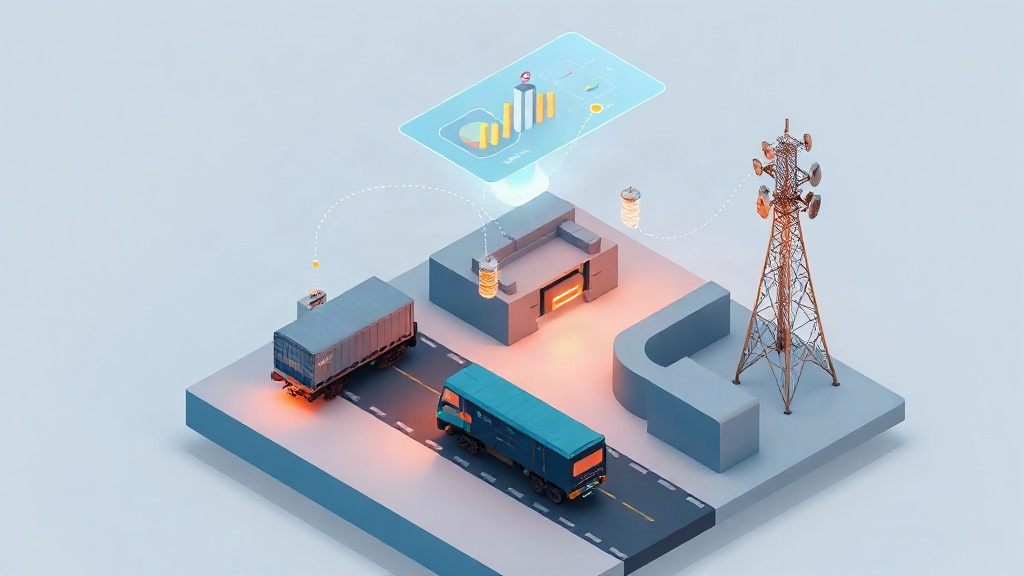
AI in telecom and infrastructure operations centers on network health monitoring, predictive maintenance, and automated inspection. These operators manage physical assets, cell towers, fiber routes, substations, that fail in ways that are expensive to catch after the fact.
Data monitoring and analytics tools track network and asset health in near real time, surfacing degradation patterns before an outage occurs. Predictive maintenance models use that same data to schedule repairs based on projected failure windows instead of fixed intervals. NLP and computer vision tools then support automated inspection, parsing technician notes or flagging anomalies in drone or camera footage of towers and lines.
Telecom and infrastructure operators are often regulated, which means these systems need to document how an automated flag or maintenance recommendation was generated. If you are an enterprise evaluating how this data feeds into reporting infrastructure you need to know what to check before a BI cloud migration, since monitoring data often needs to move into a broader business intelligence layer before it becomes useful to decision makers.
Building Compliance-Ready AI Systems for Transportation
Regulated infrastructure operators need AI systems that produce their own audit trail, not reports generated on request. A model that cannot explain why it flagged a bridge sensor or rerouted a shipment is a compliance gap, not just a technical limitation.
Compliance requirements differ by sector and compound when a system serves more than one regulated domain at once. Government departments carry data security and residency obligations; infrastructure authorities carry traceability requirements for predictive outputs and oversight of safety-related decisions; fintech, healthcare, and legal organizations carry sector-specific privacy and recordkeeping rules. A transportation AI system touching government data and financial logistics has to satisfy both sets at once, not an average of the two.
Teams building these systems should read how audit-ready AI architecture gets built for a detailed walkthrough of control mapping and decision logging.
MLOps and AI infrastructure form the backbone that makes this traceability possible: versioned models, logged retraining events, and a separate audit store that operational teams cannot edit. Skipping this layer tends to surface later as a specific finding, an unexplainable routing decision or an untraceable sensor flag, rather than a general compliance gap.
Aveosoft builds AI and machine learning, predictive analytics, and compliance and audit-ready systems for government departments, infrastructure authorities, and regulated enterprises working across transportation, logistics, and telecom operations. Before anything it's important to understand first and foremost how artificial intelligence transportation use cases map to your own operation before scoping a specific build.